The Fawn Response: How Overgiving and Under-Receiving Fuel Hidden Resentment Across Attachment Styles
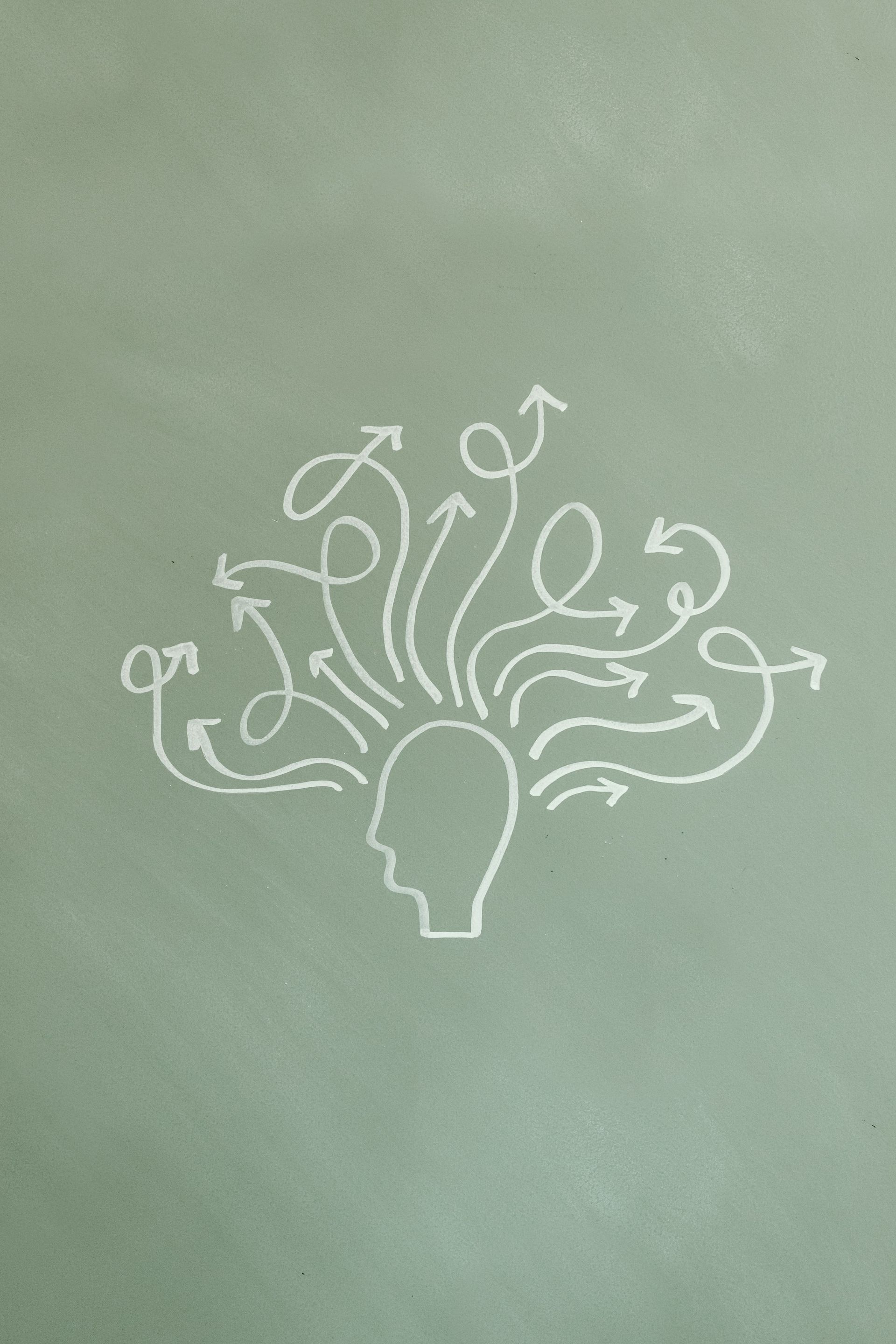
When faced with threat or relational conflict, most people recognize fight, flight, or freeze. But there is a fourth survival mechanism: fawning.
Fawning originates in childhood when a child is physically or emotionally unable to fight back or escape. In an unpredictable environment, the nervous system learns a vital rule: "If I can keep the threat calm, I stay safe." By regulating the adult, predicting their needs through hypervigilance, and making themselves agreeable, the child creates a fragile baseline of stability.

Change is inevitable; it is also said to be the only constant in life. The introduction of change (either positive or negative), introduces a stress response. Individuals with an awareness of stress management or has spent time in the mental health space, probably has heard of the 4 F's - Fight, Flight, Freeze and Fawn. This blog is the first in a series of exploring how each attachment style responds
As an adult, fawning - the appease & please - evolves from a childhood survival skill into a form of environmental management. It is an attempt to control the relational climate through the use of hyper-empathy, over-giving, and self-erasure to prevent conflict or abandonment before it starts. Individuals, primarily women or children, who are unable to run away or fight back, develop a super power regarding the ability to predict the needs of others (i.e., if you are okay, then I am okay by default). Fawners are personable, warm, caring & empathetic individuals.
How Fawning Operates Across the 4 Attachment Styles
While fawning stems from a universal need for safety, its outward expression is shaped by your core attachment style, alongside a shared, unspoken fear: the belief that you have no right to your anger because self expression resulted in relational ruptures, punishment or abandonment. Let's examine how the fawn response presents itself across the different attachment styles:
Secure Attachment: Adaptive Caretaking without Codependency
For a securely attached individual, fawning is not an identity; it is a temporary, conscious tool used in acute situations.
- The Dynamic: When a loved one is in crisis, a secure person offers an initial "bandage" to stabilize the situation. However, because their self-worth isn't dependent on being needed, they naturally guide the other person toward self-sufficiency - encouraging them to meet their own needs at least halfway.
- Why it Avoids Resentment: They maintain firm boundaries, preventing over-functioning and keeping caretaking from devolving into codependency.
Anxious Preoccupied: Proving Worth Through Utility
For the Anxious Preoccupied individual, fawning is a primary strategy to secure attachment and ward off abandonment.
- The Dynamic: They take on the "job" of caretaking, attempting to prove their value through pure utility and constant availability. They over-give to the point of exhaustion, hoping their partner will eventually match their effort.
- The Core Wound: Guided by the subconscious belief "If you see my true self, you will leave me," they bury their needs. Because true acceptance requires being loved as your authentic self, hiding behind utility guarantees chronic emotional deprivation.
- Breakthrough Anger: Eventually, suppressed needs surface as explosive anger, hypervigilant testing, or dramatic bids for reassurance to see if their partner is equally invested.
Fearful Avoidant (Disorganized): The Volatile Cycle of Shame
Fearful Avoidants experience the most dramatic oscillation with fawning, cycling rapidly between over-giving and boundary-enforcement.
- The Dynamic: Tension builds as they over-give and under-receive, until they realize they are being taken advantage of. They react by setting a boundary, but because it comes from built-up pressure, it often comes across as exaggerated or dramatic.
- The Core Wound: Their internal blueprint warns: "I will be punished or betrayed if I have needs." The moment they express anger, a severe shame response triggers. Panicked, they retract the boundary and apologize profusely.
- The Result: The boundary dissolves, resetting the cycle: over-giving, accumulating resentment, exploding, retreating in shame, and repeating.
This creates an unsustainable relational loop: Over-giving --> Under-Receiving --> Underlying Resentment --> Blow Up --> Shame Trigger --> Boundary Removal (restart cycle).
Dismissive Avoidant: Intellectual Empathy and Cold Withdrawal
In Dismissive Avoidant individuals, fawning looks like intellectualized people-pleasing designed to minimize conflict and preserve independence.
- The Dynamic: They fawn through acts of service, practical problem-solving, or polite compliance—doing just enough to diffuse tension without revealing personal vulnerability.
- The Core Wound: Operating under the belief "I am fundamentally defective, and my needs are a burden," they feel they have no right to demand more from relationships.
- The Withdrawal: When the weight of over-giving or feeling unappreciated builds, they do not confront their partner. Instead, they "ice over" & withdraw into internal self-regulation. Once calm, they re-enter the relationship as if nothing happened, leaving the core dynamic unresolved.
The Cruel Irony: The Chameleon Effect and Hidden Emotional Unavailability
People who rely on fawning frequently find themselves paired with partners who are emotionally unavailable. But there is a deeper, uncomfortable truth to this pattern: fawners themselves are often emotionally unavailable.
When you operate as a relational chameleon, you mirror what you believe your partner wants. You adapt your personality, minimize your preferences, and shape-shift into the "ideal" companion. While this can look like warmth, deep adaptability, & compassion, it is actually a protective mask.
True connection requires authenticity. If you are showing up as a curated version of who you think your partner needs, you are withholding your authentic self. You cannot be genuinely available for intimacy while hiding who you are.
Uncovering Your Fawning Map: Reflection Prompts
Breaking the cycle of fawning requires moving from automatic, subconscious survival patterns into conscious awareness. Use these targeted reflection prompts to identify where you might be shrinking yourself to keep the peace, while minimizing codependent traits:
- Identifying Environmental Management: Where in my life am I managing another person's emotional climate under the guise of "being supportive"? What am I afraid will happen if I step back and let them regulate themselves?
- Spotting Hidden Resentment: Who in my life do I feel a persistent, simmering sense of bitterness toward? What unexpressed need, unstated boundary, or dynamic of over-giving is feeding that resentment?
- Tracing the Chameleon Mask: In what relationships do I notice myself shape-shifting, minimizing my true opinions, or anticipating needs at my own expense? What part of my authentic self am I withholding to stay safe?
- Examining Your Relationship to Anger: When I feel anger or the urge to set a boundary, what is my immediate body response or belief? Do I feel an urge to test, explode, retreat, or apologize for having a boundary at all?
Fawning tricks us into believing that safety can be bought through self-erasure. But real intimacy, the kind where you are fully seen, anchored, & safe, cannot exist without your authentic self at the helm. Stop managing the emotional climates of everyone around you, reclaim your right to honest boundaries, and step out of the cycle of over-giving, you don't have to navigate it alone.