The 'Unsinkable" Avoidant: How the Defense Mechanisms of an Avoidant Can Sink a Relationship
I admit. I am drawn to partners with an avoidant attachment style - especially the dismissive avoidants (DA). it just felt easier to request closeness, than to constantly push away an anxiously attached partner, always clamoring for attention or validation. An avoidant partner will usually fulfill the request - provided that it didn't get TOO close - a tradeoff I was once willing to endure. My own avoidant side feared engulfment, so having a partner who was more stoic 'saved' energy. However, that illusion of peace wasn't calm seas, but a total lack of wind. Without the wind to fill the sails, there was no motion. This type of dynamic wasn't sailing me into the sunset, or even keeping me safe in the harbor, it was keeping me dry-docked.
Guarding the Hull 🛡️
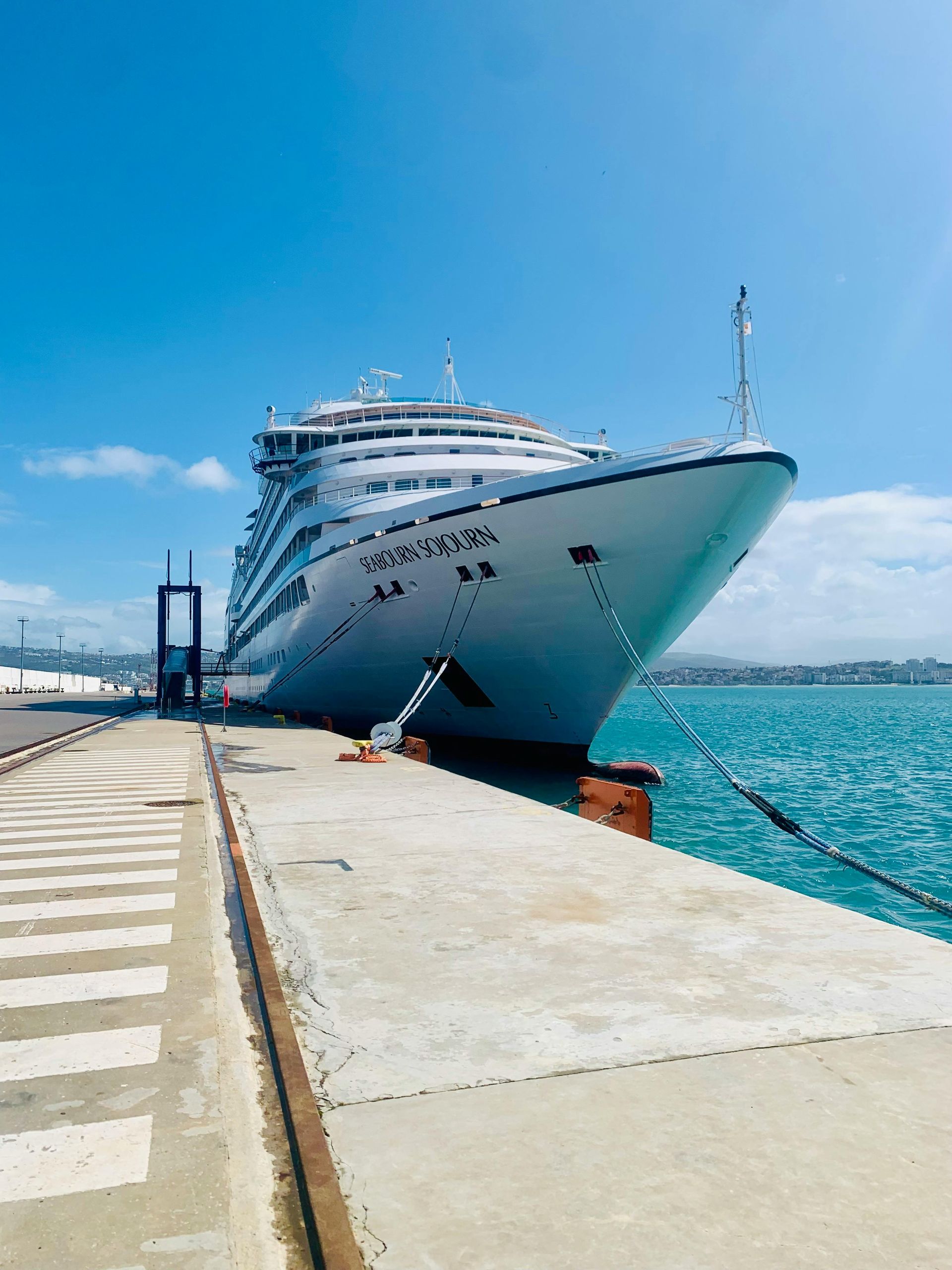
DA's are taught that to be "unsinkable" is the ultimate goal. In the architecture of avoidant attachment, DA's build themselves like the great vessels of old—full of watertight compartments and reinforced hulls, designed to survive the heaviest seas without ever needing a rescue.
For many DA's, this "unsinkability" is a source of pride. They retreat to the crow's nest—that high, observant vantage point where they can look down at the emotional waves without getting wet. From up there, DA's feel superior, self-contained, and safe. It’s a powerful shield for the "I am defective" core wound; if a DA is unsinkable and entirely self-reliant, then it doesn’t matter if no one is looking out for them. They've got themselves.
But there is a hidden cost to being an Unsinkable Avoidant. A ship that cannot be touched by the water can never truly be part of the sea. And a ship can't set sail without the water.
The Watertight Sabotage 🚢
When a DA uses avoidant strategies, they aren't just protecting themselves; they are effectively sealing themselves off. These strategies act as emergency pressure valves, preventing the engines from overheating and damaging the ship's core (i.e., ego). By pulling away, they are attempting to regulate and regain a sense of safety, but they do so by cutting off the power supple (i.e., intimacy) to the relationship itself. DA's are conflict avoidant, so instead of clearly communicating needs or establishing a mutual partnership, they kill the engines and drift at sea, hoping a current (i.e., time or partner's effort) or riptide (i.e., ending the relationship) will pull them to safety - solitude. Here is how that "unsinkable" mentality sabotages the voyage:
- Sealing the Bulkheads (Deactivation): At the first sign of conflict or "closeness," DA's seal the doors. They go cold. They tell themselves, "I don't need the other person. I am better off alone. They are better off alone." While this keeps the "threat" of intimacy out, it also traps the DA in a tiny, airless room where no love can get in, either. This looks like ghosting, sudden coldness or taking longer to return text messages, becoming dismissive of needs or appearing uninterested in emotionally heavy conversations or making vague plans.
- The View from the Crow's Nest: DA's stay in their heads, analyzing the "data" of the relationship from a distance, focusing on basic needs and safety. They feel self-righteous in their logic but forget that a Captain cannot lead from a on high—they have to be on the deck, feeling the spray and engaging with the crew. Remaining detached or disconnected from others prevents the DA from challenging old narratives or core beliefs.
- Refusing the Anchor: To an avoidant, an anchor feels like a weight designed to pull them under. DA's view commitment as a threat to the "unsinkable" status. But without an anchor, they aren't free; they are just drifting. Seaworthiness means you can take on water, feel the emotions, and trust your ability to navigate back to center. It means realizing that being "safe" doesn't come from being untouchable—it comes from being deeply connected to your own truths and to the people on your ship.
Lessons from the Deep 🗺️
Dating an avoidant partner taught me that I couldn't spend my life shouting at someone in a Crow’s Nest to come down, join me and enjoy the view. I realized that while I was busy analyzing their "watertight compartments," I was letting my own ship drift. I stopped trying to "save" the Unsinkable Avoidant and started focusing on my own seaworthiness. Here is what I learned:
- The Power of the Anchor: I discovered that my "wants and needs" aren't weights that sink a relationship—they are the anchor that keeps me from being swept away by someone else's distance.
- Charting My Own Course: I learned to communicate effectively, not as a plea for attention, but as a statement of my own coordinates. "This is where I am, and this is what I need to stay in this harbor."
- Setting Boundaries as Lighthouses: My boundaries are no longer walls to keep people out; they are lighthouses. They show others exactly where the rocks are and where the safe passage lies. If a partner chooses to ignore the light, that is their voyage—not mine.
I no longer fear the "dry dock" of a stagnant relationship. By reclaiming my sense of self, I’ve moved out of the role of the "unimportant" observer and into the role of the Captain. Whether the seas are calm or stormy, I know how to navigate—because I am finally anchored in my own truth.